Buy aefca.eu ?
We are moving the project
aefca.eu .
Are you interested in purchasing the domain
aefca.eu ?
domain@kv-gmbh.de · 0541-91531010
Buy aefca.eu ?
What is the torture method of sensory deprivation?
Sensory deprivation is a torture method that involves isolating a person from all sensory input, such as sight, sound, touch, and sometimes even taste and smell. This can be achieved through various means, such as blindfolding, earplugs, and restraints. The purpose of sensory deprivation is to disorient and break down the individual's sense of self, leading to psychological distress and potential long-term psychological damage. **
How does sensory development progress?
Sensory development progresses through a series of stages, beginning with basic sensory experiences such as touch, taste, and smell in infancy. As children grow, they develop more refined sensory abilities, such as improved vision and hearing, and begin to integrate sensory information to make sense of their environment. This process continues into adolescence and adulthood, with individuals becoming more adept at interpreting and responding to sensory stimuli. Overall, sensory development progresses from basic sensory experiences to more complex and integrated sensory abilities as individuals mature. **
Similar search terms for Sensory deprivation
Top-Angebote
Products related to Sensory deprivation:
-
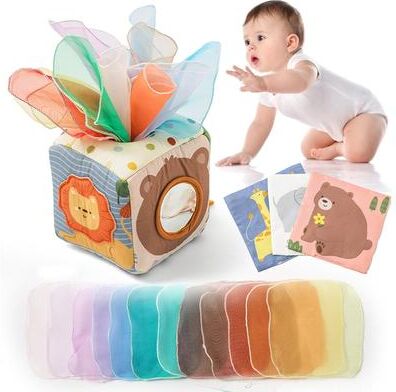
JoyToys Montessori Baby Sensory Tissue Box Early Learning Toy For Fine Motor Skill Development Montessori Baby Sensory Tissue Box Early Learning Toy For Fine Motor Skill DevelopmentExperience the joy of watching your little one learn through play with this Montessori baby toy designed to spark curiosity from the very first touch. This engaging sensory tissue box encourages babies to pull, grasp, explore, and discover while...34,97 $*Shipping: 0,00 $Secure redirect to the provider
-
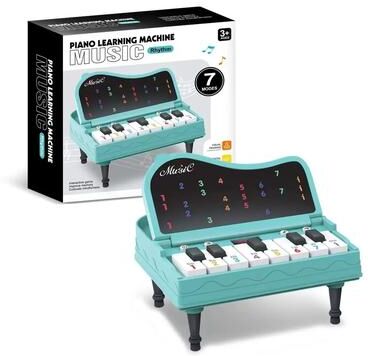
Uplifted Finds Electronic Rhythm Puzzle Hub And High Fidelity Sensory Education Architecture blueCommand ultimate developmental confidence with the Electronic Music Rhythm Puzzle Game, a cognitive regulation solution specifically engineered to act as a comprehensive tool for elite organization and superior technical ergonomics. Built with a...102,97 $*Shipping: 0,00 $Secure redirect to the provider
-
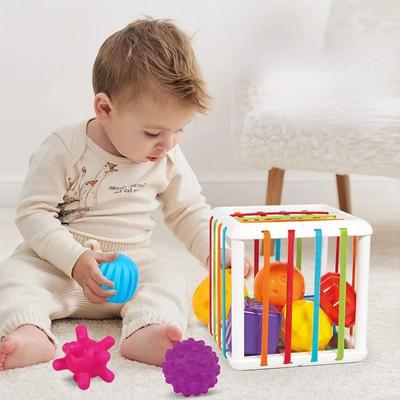
Uplifted Finds Montessori Rainbow Sensory Training Grasping Toy For Infants Montessori Rainbow Sensory Training Grasping Toy For InfantsSupport your childs early development with this Montessori Rainbow Sensory Toy, specifically engineered for infants aged 012 months. This industrialstandard educational tool features a specialized cage design with colorful elastic bands and...62,97 $*Shipping: 0,00 $Secure redirect to the provider
-
Mattel Fisher-Price Mini Me Moments Self-Care Sensory Gift Set for Babies 3 Months and Over - Teething Toys and Sensory DevelopmentIntroduce your little one to the world of self-care with the Fisher-Price Mini Me Moments Self-Care Sensory Gift Set. This six-piece set is designed to mimic everyday beauty routines in a playful, baby-friendly way. The set includes a spinning mirror with a suction base, a rattle face roller, a soft squeaker puff, clacker cucumber slices, a chewy gua sha-style teether, and a double-sided crinkle face mask. Each piece is styled to resemble a familiar self-care item, making it perfect for sensory discovery by babies aged 3 months and over. The easy-to-hold shapes and varied surfaces encourage curiosity, sensory exploration, and fine motor development. The mirror adds an engaging element of self-discovery during tummy time or floor play when securely attached.15,19 £*Shipping: 3,95 £Secure redirect to the provider

-
Is compulsory education a deprivation of freedom?
Compulsory education can be seen as a deprivation of freedom in the sense that it restricts the choice of individuals to decide whether or not they want to pursue formal education. However, it can also be viewed as a necessary measure to ensure that all individuals have access to basic education and the opportunity to develop essential skills and knowledge. Compulsory education aims to provide equal opportunities for all children, regardless of their background or circumstances, and to promote social and economic mobility. Ultimately, the balance between individual freedom and societal welfare is a complex and ongoing debate. **
-
What are sensory cells, sensory organs, and senses?
Sensory cells are specialized cells that detect and respond to specific stimuli, such as light, sound, touch, taste, and smell. These cells are found in sensory organs, which are structures in the body that contain sensory cells and are responsible for detecting and transmitting sensory information to the brain. The senses, on the other hand, are the physiological capacities of organisms that provide data for perception. They include sight, hearing, touch, taste, and smell, and are essential for experiencing and interacting with the environment. **
-
Is sleep deprivation deadly?
Yes, sleep deprivation can be deadly. Chronic sleep deprivation has been linked to a number of serious health issues, including an increased risk of heart disease, stroke, and diabetes. Additionally, sleep deprivation can impair cognitive function and decision-making, leading to an increased risk of accidents and injuries. In extreme cases, prolonged sleep deprivation can even lead to death. Therefore, it is important to prioritize getting enough quality sleep for overall health and well-being. **
-
What is the difference between a primary sensory cell, a secondary sensory cell, and a sensory nerve cell?
Primary sensory cells are specialized cells that directly detect stimuli from the environment, such as light, sound, or touch. Secondary sensory cells receive signals from primary sensory cells and transmit them to the central nervous system. Sensory nerve cells, also known as sensory neurons, are responsible for transmitting the signals from secondary sensory cells to the brain, where they are processed and interpreted. In summary, primary sensory cells detect stimuli, secondary sensory cells relay the signals, and sensory nerve cells transmit the signals to the brain for processing. **


Are receptors sensory cells?
Receptors are not sensory cells themselves, but they are specialized proteins located on the surface of sensory cells. These receptors are responsible for detecting and responding to specific stimuli, such as light, sound, taste, or smell. When a receptor is activated by a stimulus, it triggers a series of biochemical reactions within the sensory cell, ultimately leading to the generation of a sensory signal that can be transmitted to the brain for processing. Therefore, while receptors are not sensory cells, they play a crucial role in the sensory process by detecting and transducing stimuli into neural signals. **
What is sensory perception?
Sensory perception refers to the process of receiving and interpreting information from the environment through the senses. This includes the five main senses of sight, hearing, touch, taste, and smell, as well as other sensory experiences such as balance, proprioception, and temperature. The brain then processes this sensory information to create a perception of the world around us, allowing us to interact with and understand our surroundings. Sensory perception is essential for everyday functioning and plays a crucial role in how we experience and navigate the world. **
Top-Angebote
Products related to Sensory deprivation:
-
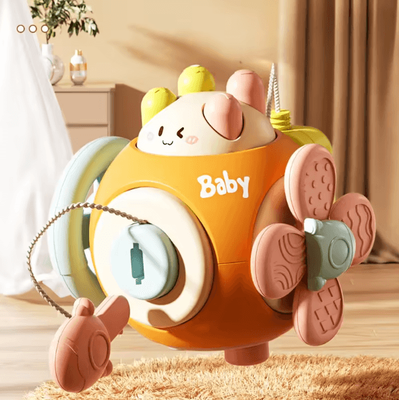
Uplift Curations Montessori Busy Ball Grasping Toy For Early Sensory Development Montessori Busy Ball Grasping Toy For Early Sensory DevelopmentSupport your babys earliest learning moments with a toy designed for discovery and growth. This engaging Montessori busy ball encourages babies to explore, grab, and interacthelping build essential skills through play. Its open, easytohold structure...46,50 $*Shipping: 0,00 $Secure redirect to the provider
-
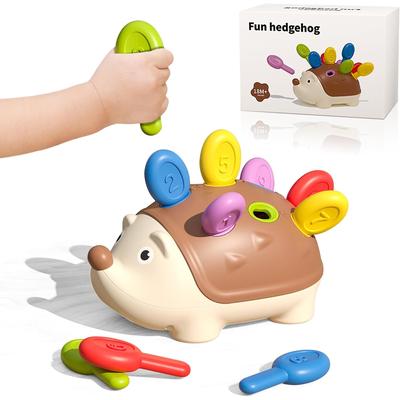
Tiny Tots Teens Trends Montessori Educational Toy, Hedgehog Fine Motor Skills, Toddler Counting, Sensory Development Montessori Educational Toy, Hedgehog Fine Motor Skills, Toddler Counting, Sensory DevelopmentHedgehog Montessori Educational Toy is a delightful and engaging learning tool designed to help toddlers develop essential fine motor skills, improve their concentration, and enhance sensory development. This toy promotes handson learning through...59,97 $*Shipping: 0,00 $Secure redirect to the provider
-
JoyToys Montessori Baby Sensory Tissue Box Early Learning Toy For Fine Motor Skill Development Montessori Baby Sensory Tissue Box Early Learning Toy For Fine Motor Skill DevelopmentExperience the joy of watching your little one learn through play with this Montessori baby toy designed to spark curiosity from the very first touch. This engaging sensory tissue box encourages babies to pull, grasp, explore, and discover while...34,97 $*Shipping: 0,00 $Secure redirect to the provider
-
Uplifted Finds Electronic Rhythm Puzzle Hub And High Fidelity Sensory Education Architecture blueCommand ultimate developmental confidence with the Electronic Music Rhythm Puzzle Game, a cognitive regulation solution specifically engineered to act as a comprehensive tool for elite organization and superior technical ergonomics. Built with a...102,97 $*Shipping: 0,00 $Secure redirect to the provider
-
What is the torture method of sensory deprivation?
Sensory deprivation is a torture method that involves isolating a person from all sensory input, such as sight, sound, touch, and sometimes even taste and smell. This can be achieved through various means, such as blindfolding, earplugs, and restraints. The purpose of sensory deprivation is to disorient and break down the individual's sense of self, leading to psychological distress and potential long-term psychological damage. **
-
How does sensory development progress?
Sensory development progresses through a series of stages, beginning with basic sensory experiences such as touch, taste, and smell in infancy. As children grow, they develop more refined sensory abilities, such as improved vision and hearing, and begin to integrate sensory information to make sense of their environment. This process continues into adolescence and adulthood, with individuals becoming more adept at interpreting and responding to sensory stimuli. Overall, sensory development progresses from basic sensory experiences to more complex and integrated sensory abilities as individuals mature. **
-
Is compulsory education a deprivation of freedom?
Compulsory education can be seen as a deprivation of freedom in the sense that it restricts the choice of individuals to decide whether or not they want to pursue formal education. However, it can also be viewed as a necessary measure to ensure that all individuals have access to basic education and the opportunity to develop essential skills and knowledge. Compulsory education aims to provide equal opportunities for all children, regardless of their background or circumstances, and to promote social and economic mobility. Ultimately, the balance between individual freedom and societal welfare is a complex and ongoing debate. **
-
What are sensory cells, sensory organs, and senses?
Sensory cells are specialized cells that detect and respond to specific stimuli, such as light, sound, touch, taste, and smell. These cells are found in sensory organs, which are structures in the body that contain sensory cells and are responsible for detecting and transmitting sensory information to the brain. The senses, on the other hand, are the physiological capacities of organisms that provide data for perception. They include sight, hearing, touch, taste, and smell, and are essential for experiencing and interacting with the environment. **
Similar search terms for Sensory deprivation
-
Uplifted Finds Montessori Rainbow Sensory Training Grasping Toy For Infants Montessori Rainbow Sensory Training Grasping Toy For InfantsSupport your childs early development with this Montessori Rainbow Sensory Toy, specifically engineered for infants aged 012 months. This industrialstandard educational tool features a specialized cage design with colorful elastic bands and...62,97 $*Shipping: 0,00 $Secure redirect to the provider
-
Mattel Fisher-Price Mini Me Moments Self-Care Sensory Gift Set for Babies 3 Months and Over - Teething Toys and Sensory DevelopmentIntroduce your little one to the world of self-care with the Fisher-Price Mini Me Moments Self-Care Sensory Gift Set. This six-piece set is designed to mimic everyday beauty routines in a playful, baby-friendly way. The set includes a spinning mirror with a suction base, a rattle face roller, a soft squeaker puff, clacker cucumber slices, a chewy gua sha-style teether, and a double-sided crinkle face mask. Each piece is styled to resemble a familiar self-care item, making it perfect for sensory discovery by babies aged 3 months and over. The easy-to-hold shapes and varied surfaces encourage curiosity, sensory exploration, and fine motor development. The mirror adds an engaging element of self-discovery during tummy time or floor play when securely attached.15,19 £*Shipping: 3,95 £Secure redirect to the provider
-
Uplift Curations Colorful Montessori Silicone Bead Toy For Sensory Learning & Early Development khakiTurn playtime into a meaningful learning experience for your little one. This engaging Montessori silicone bead toy is designed to stimulate your babys senses while encouraging handson exploration and creativity. With its bright colors and soft...82,50 $*Shipping: 0,00 $Secure redirect to the provider
-
Uplifted Finds Electronic Rhythm Puzzle Hub And High Fidelity Sensory Education Architecture greenCommand ultimate developmental confidence with the Electronic Music Rhythm Puzzle Game, a cognitive regulation solution specifically engineered to act as a comprehensive tool for elite organization and superior technical ergonomics. Built with a...87,97 $*Shipping: 0,00 $Secure redirect to the provider
-
Is sleep deprivation deadly?
Yes, sleep deprivation can be deadly. Chronic sleep deprivation has been linked to a number of serious health issues, including an increased risk of heart disease, stroke, and diabetes. Additionally, sleep deprivation can impair cognitive function and decision-making, leading to an increased risk of accidents and injuries. In extreme cases, prolonged sleep deprivation can even lead to death. Therefore, it is important to prioritize getting enough quality sleep for overall health and well-being. **
-
What is the difference between a primary sensory cell, a secondary sensory cell, and a sensory nerve cell?
Primary sensory cells are specialized cells that directly detect stimuli from the environment, such as light, sound, or touch. Secondary sensory cells receive signals from primary sensory cells and transmit them to the central nervous system. Sensory nerve cells, also known as sensory neurons, are responsible for transmitting the signals from secondary sensory cells to the brain, where they are processed and interpreted. In summary, primary sensory cells detect stimuli, secondary sensory cells relay the signals, and sensory nerve cells transmit the signals to the brain for processing. **
-
Are receptors sensory cells?
Receptors are not sensory cells themselves, but they are specialized proteins located on the surface of sensory cells. These receptors are responsible for detecting and responding to specific stimuli, such as light, sound, taste, or smell. When a receptor is activated by a stimulus, it triggers a series of biochemical reactions within the sensory cell, ultimately leading to the generation of a sensory signal that can be transmitted to the brain for processing. Therefore, while receptors are not sensory cells, they play a crucial role in the sensory process by detecting and transducing stimuli into neural signals. **
-
What is sensory perception?
Sensory perception refers to the process of receiving and interpreting information from the environment through the senses. This includes the five main senses of sight, hearing, touch, taste, and smell, as well as other sensory experiences such as balance, proprioception, and temperature. The brain then processes this sensory information to create a perception of the world around us, allowing us to interact with and understand our surroundings. Sensory perception is essential for everyday functioning and plays a crucial role in how we experience and navigate the world. **
* All prices are inclusive of VAT and, if applicable, plus shipping costs. The offer information is based on the details provided by the respective shop and is updated through automated processes. Real-time updates do not occur, so deviations can occur in individual cases. ** Note: Parts of this content were created by AI.